A Requiem That Sings: Àm Acevedo’s Poetic Odyssey
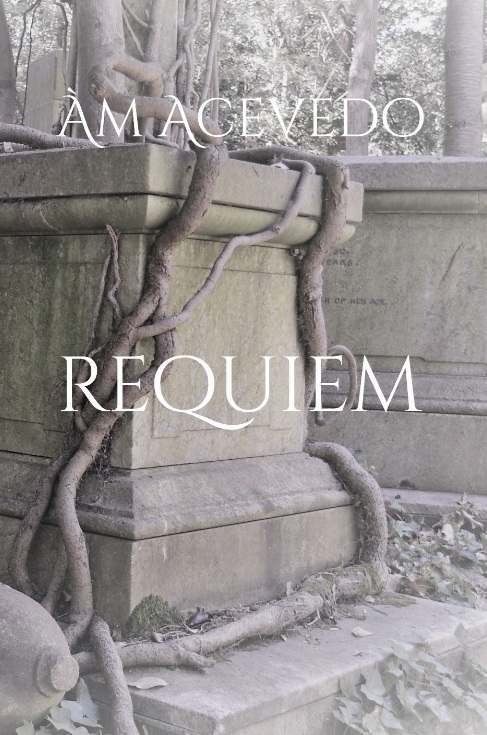
requiem is not merely a poetry collection—it’s a passport to worlds both intimate and vast, a journey through grief, desire, memory, and homeland that leaves readers transformed. This ambitious work weaves together original English verse, poetic translations from Spanish, and a mythological love story spanning the Atlantic, creating a tapestry rich enough to reward multiple readings.
The collection opens with its haunting title piece, “requiem for a snowflake,” establishing Àm’s gift for finding profound meaning in fragile things. From there, readers encounter the mysterious and romantic “Book of Spells” and the mesmerizing “Chronicle of a Beautiful Haunting,” where the mysterious Princess of Darkness emerges through verses dripping with gothic romance. The poet’s imagery—”Shadow of black lipstick… my soul does bind / Your eyes… deliciously tar-lined”—creates an intoxicating atmosphere that lingers long after the page turns.
What elevates requiem beyond typical poetry collections is Àm’s fearless emotional range. One moment he mourns a “moribund crab” hiding beneath sunken rocks; the next he celebrates Caribbean rum and his grandfather’s wisdom. His “princess taína & prince connell’s wild atlantic love” transports readers across oceans, blending Irish folklore with Taíno heritage in a sweeping narrative of love severed by geography yet triumphing through spiritual devotion.
The poet’s bilingual soul shines throughout. In “Language,” he recounts with humorous poignancy the childhood struggle of navigating English as a Spanish speaker: “Don’t spic English, I.” This vulnerability—the willingness to share cultural displacement—makes requiem deeply human. The translated sections, accompanied by his candid notes about the impossibility of perfect translation, offer readers a rare glimpse into the poet’s creative process.
Àm’s Caribbean identity pulses through every section. Poems like “My Childhood Island Fades” and “Atlantic Island’s Dream” capture both the beauty and heartbreak of the Puerto Rican experience, while “Skin of Blood” and “Citizen, Where Are You?” confront colonial legacies with unflinching honesty. Yet even his most political verses maintain lyrical grace—protest transformed into art.
This collection will appeal to poetry lovers seeking emotional depth, readers interested in Caribbean and Latino literature, and anyone who believes language can bridge impossible distances. Àm Acevedo has crafted not just a book but an invitation—to feel deeply, remember fiercely, and find beauty in requiem’s eternal song.
 Àm Acevedo
Leave a comment